Is Top-Up Health Insurance Better Than Buying a New Policy?
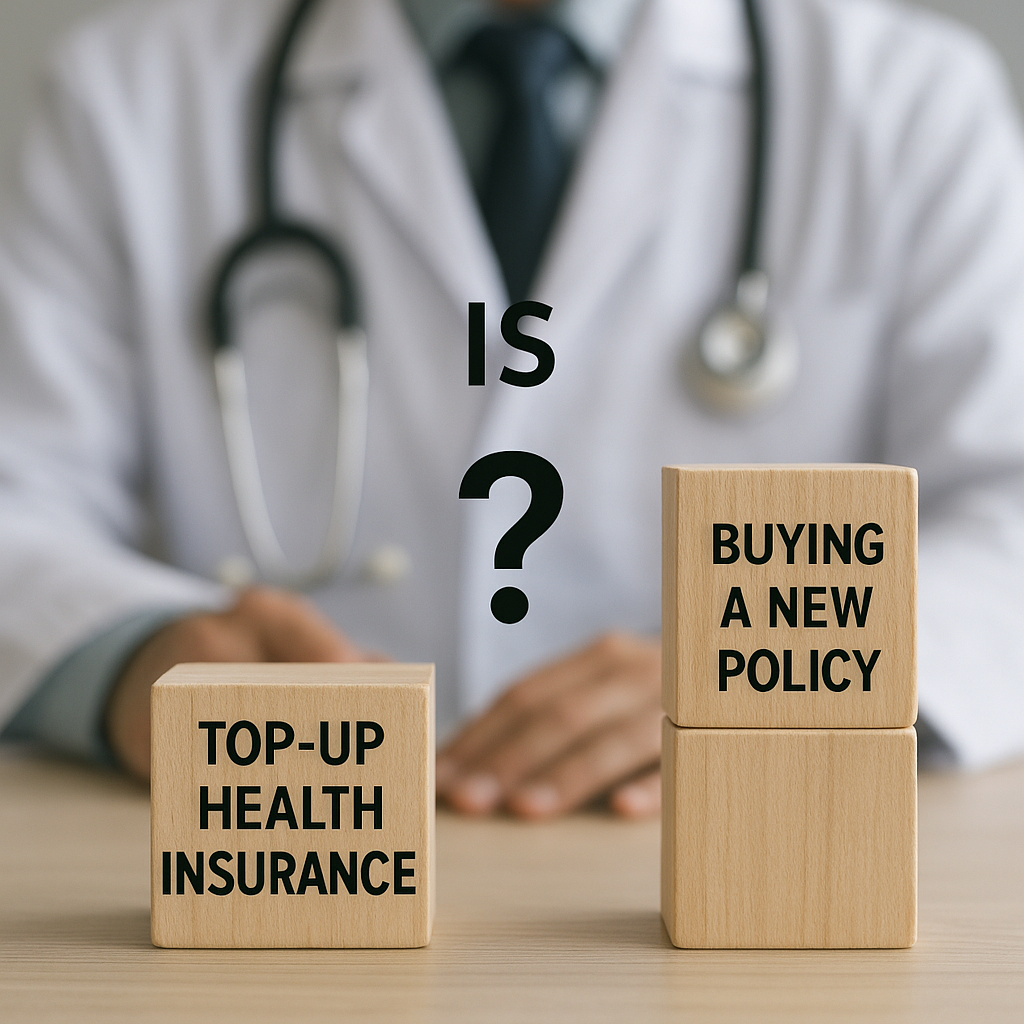
Introduction
Health insurance is a crucial investment, providing financial protection against medical emergencies. However, many people grapple with a significant question: Is top-up health insurance better than buying a new policy? This question is especially relevant for those who already have a base policy and are considering their options for additional coverage.
In essence, top-up health insurance serves as an additional layer of coverage, increasing your total health insurance limit while potentially lowering your premium costs. On the other hand, purchasing a new policy may offer extensive coverage options but also comes with higher premiums and overlapping benefits. With the rising costs of healthcare in India, understanding these variables is essential for making informed decisions regarding your health insurance.
In this guide, we'll delve into the definitions, benefits, and potential pitfalls of these insurance options to help you make the best choice tailored to your needs.
Understanding Health Insurance Policies
Before diving into the specifics of top-up policies, it's important to define what health insurance is. Generally, health insurance is a contract between an individual and an insurance company, providing financial coverage for medical expenses, hospital stays, surgeries, and preventive care.
Types of Health Insurance Policies
- Individual Plans: Tailored for a single person, covering only their medical costs.
- Family Floater Plans: Covers the entire family under a single sum insured, offering flexibility for family members.
- Critical Illness Plans: Focused on specific life-threatening diseases with a lump-sum payout upon diagnosis.
For a deeper dive into selecting the right health insurance plan for your family, check out our guide on The Smart Way to Pick a Health Insurance Plan for Your Family.
What is Top-Up Health Insurance?
Top-up health insurance refers to an additional policy purchased to extend the coverage limit of your existing health insurance. This supplementary coverage can kick in once the initial policy's threshold is crossed. It's typically more affordable than a standalone policy for equivalent coverage but comes with exclusions and specific conditions.
How Top-Up Health Insurance Works
To illustrate, say you have a base health policy with a sum insured of ₹5 lakh, and you opt for a top-up policy of ₹10 lakh. If you incur medical bills totaling ₹8 lakh, your base policy would cover ₹5 lakh, and your top-up would cover the remaining ₹3 lakh, assuming you meet any applicable deductible clauses.
Advantages of Top-Up Health Insurance
Top-up health insurance has its fair share of benefits:
- Cost-Effectiveness: It is often cheaper than buying a new comprehensive policy.
- Higher Coverage Limits: Provides extensive coverage beyond your existing policy's limit.
- Simplified Premium Structures: Usually involves lower premiums due to higher deductibles.
- Flexibility: Can be tailored to meet specific health risks or family needs.
A common myth is that top-up plans are overly restrictive due to their deductibles. However, they can still provide substantial coverage for serious illnesses at relatively low premium costs.
Disadvantages of Top-Up Health Insurance
While top-up health insurance can be advantageous, it’s not without its drawbacks:
- High Deductibles: You must first cover your deductible before the top-up kicks in.
- Limited Coverage for Pre-existing Conditions: Many plans impose waiting periods for existing health issues.
- Claim Processing Complexity: This can be challenging, particularly when coordinating with your base policy.
- Restricted Network of Hospitals: Some top-ups might limit you to specific hospitals, whereas comprehensive plans may offer broader choices.
When to Opt for a New Health Insurance Policy
Choosing a new health insurance policy might be more appropriate under certain circumstances:
- Major Life Changes: Such as marriage, childbirth, or significant health changes.
- Increased Medical Needs: If your current coverage feels inadequate or out-of-date.
- Better Coverage Options Available: If new policies provide more benefits or a lower premium than existing options.
- Comprehensive Coverage Goals: When you prefer a robust plan that covers a wide range of services without deductibles.
For insights on how health coverage needs change as we age, consider reading, Is It Worth Buying Health Insurance After 40?.
Comparing Coverage Options
When evaluating whether a top-up health insurance plan or a new policy is better, consider several factors:
- Coverage Amount: Assess how much coverage you need versus what's provided.
- Policy Benefits: Look for inclusions like maternity benefits, wellness programs, and day-care treatments.
- Claim Settlement Ratio: This ratio indicates the insurer's reliability in settling claims. For more information, check out this resource on How to Check Claim Settlement Ratio Before Buying Health Insurance.
Key Areas of Comparison
| Criteria | Top-Up Health Insurance | New Policy |
|---|---|---|
| Premium | Generally lower | Usually higher |
| Deductibles | Present, must be met before claims | Typically lower or none |
| Coverage Options | Limited as an add-on | Comprehensive, various options available |
| Claims Process | May require complex coordination | More straightforward claims handling |
Practical Considerations: Costs, Limits, and Claims
Choosing between a top-up and a new policy entails understanding costs and limitations intimately. Premium costs vary significantly based on the insurer, coverage limits, and policy features. Here are some crucial bulk points to consider:
- Evaluate Your Needs: Assess your existing coverage against your current priorities and future needs.
- Read the Fine Print: Always check what is excluded from your coverage, especially in top-up plans.
- Claim Process: Investigate how claims are processed for both options and choose based on ease and customer feedback.
- Consult Professionals: Sometimes the best move is consulting a financial advisor or insurance expert.
Going through the specifics can help you avoid any pitfall that could incur extra costs later.
Common Questions About Health Insurance Choices
FAQ Section
What are the primary differences between a top-up and a new policy?
Top-up policies are essentially extensions of existing coverage at a lower cost, while new policies offer comprehensive coverage from scratch.
Do top-up plans cover pre-existing conditions?
Most top-up plans come with waiting periods for pre-existing conditions, making new policies a better option in such cases.
How does the claim process differ?
Claims with top-up insurance typically require coordination with your base policy, possibly complicating the process.
Can I convert a top-up plan into a full policy later?
Generally, top-up plans cannot be converted, so it's important to choose wisely based on your current and future health needs.
Which option is cheaper?
Top-ups usually offer lower premiums but with higher deductibles, while new policies may have higher initial costs but generally wider coverage.
Conclusion: Making the Right Choice
In answering the question, Is top-up health insurance better than buying a new policy?, it's clear that the response depends on your individual circumstances.
A top-up may be cost-effective and sufficient if you already have a reliable base policy. However, if you're facing new health challenges, family changes, or simply wish for comprehensive coverage, purchasing a new policy could be the wiser choice.
Ultimately, thorough research, careful consideration of your healthcare needs, and understanding both options can lead you to make a well-informed decision.
If you're ready to explore your options, contact us today for personalized assistance in choosing the perfect coverage!
ALT Text Suggestions for Images
- Top-Up Health Insurance Overview: "An infographic comparing top-up health insurance and new policies."
- Medical Bill Illustration: "An illustration showing the breakdown of medical bills and how top-up health insurance covers expenses."
- Claim Settlement Ratio Graphic: "A graphical representation of claim settlement ratios across various insurers."
Honest Reviews from Real Policyholders health-insurance-reviews - Read Now👇
No companies found for this category
Category: health-insurance-reviews